Diesel engines are fundamentally different from their petrol counterparts. They operate at higher compression ratios, tolerate heavier loads, and — when maintained properly — can outlast almost any other type of internal combustion engine. The key phrase there is "when maintained properly." In practice, the majority of premature diesel failures we attend are preventable, rooted in habits that quietly degrade the engine over thousands of miles before a problem becomes obvious.
This guide draws on the experience of our technicians across a wide range of vehicles — from working vans and 4x4s to agricultural machinery and HGV units. The principles are largely universal, though the specific intervals and specifications for your vehicle should always be confirmed with your manufacturer handbook or a qualified technician.
In This Article
1. Oil Management: The Foundation of Engine Longevity
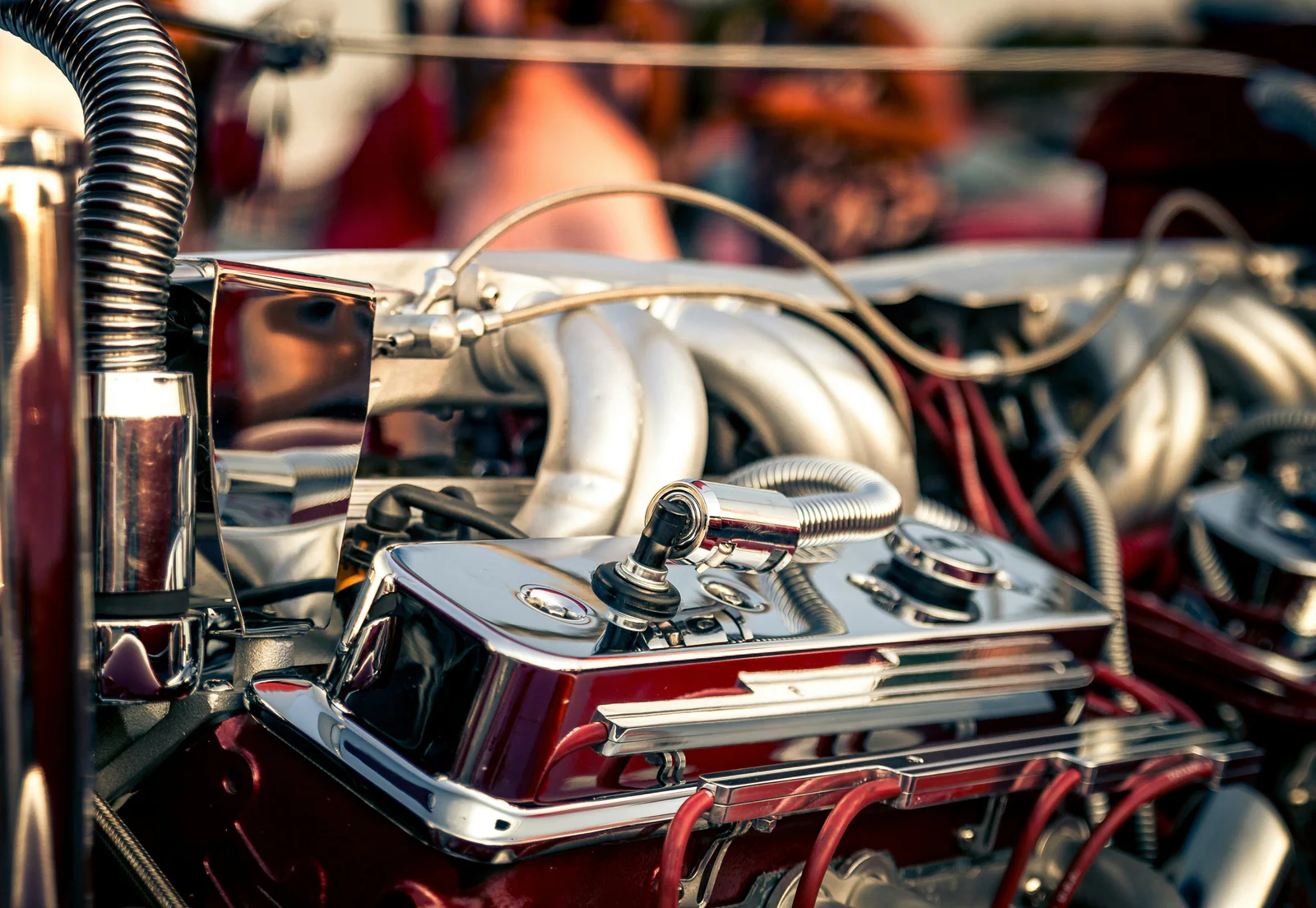
If there is a single factor that determines how long a diesel engine will last, it is the condition and cleanliness of the engine oil. Oil performs several critical roles simultaneously: it lubricates moving parts, carries heat away from surfaces that coolant cannot reach, suspends combustion byproducts to keep the engine clean, and cushions components against shock loads.
As oil ages, all of these properties degrade. The base oil oxidises, the additive package is consumed, and contamination accumulates. Diesel engines are particularly demanding on oil because they produce more soot during combustion than petrol engines, and this soot ends up suspended in the oil. Over time, oil that is not changed at the correct interval becomes genuinely abrasive — a slow but consistent source of wear across every surface it touches.
Use the Correct Oil Specification
Modern diesel engines — particularly those with DPF systems — require low-SAPS (Sulphated Ash, Phosphorus, Sulphur) oil. Using the wrong oil specification, even temporarily, can damage aftertreatment systems and affect lubrication quality. Always verify the correct specification against your vehicle handbook rather than assuming any diesel oil will do.
Change at the Right Interval — Not the Maximum
Manufacturer-stated maximum service intervals are intended for average use under standard conditions. If your vehicle does a lot of short journeys, operates in dusty environments, tows regularly, or runs in very cold climates, it is advisable to service more frequently than the maximum. Many professional operators and fleet managers use oil analysis services to determine exactly when oil is depleted, rather than relying solely on mileage-based intervals.
Check Oil Level Regularly
A diesel engine that runs low on oil — even briefly — can suffer disproportionate wear. Checking the oil level monthly, or before any long journey, takes less than two minutes and costs nothing. A persistent drop in oil level without an obvious leak is a symptom that warrants investigation rather than simply topping up and continuing.
Using an oil that doesn't match the manufacturer's specification — even a high-quality product — can cause compatibility issues with seals, interfere with DPF regeneration cycles, and in some cases void remaining warranty. The correct spec is usually found on the oil filler cap or in the handbook.
2. Warm-Up and Cool-Down Habits
One of the most consistent sources of accelerated diesel engine wear is the first few minutes after a cold start. During this period, oil pressure is building, metal components are at their smallest (before thermal expansion), and fuel mixture control is less precise. Cold starts are unavoidable, but their impact can be managed.
Allow Oil Pressure to Build Before Loading the Engine
Modern diesels do not need the extended warm-up periods that older engines required. However, pulling away hard immediately after starting — particularly in cold weather — puts stress on components before oil has reached all surfaces. A moderate pace for the first few minutes, while the engine reaches operating temperature, reduces wear significantly over the life of the engine.
The Cold-Start Short Journey Problem
Short journeys in cold weather are genuinely problematic for diesel engines. If the engine never reaches full operating temperature, it does not complete its normal combustion process efficiently. This results in fuel and moisture contaminating the oil, carbon accumulating in the combustion chamber, and DPF systems that are unable to complete their regeneration cycles. Engines used almost exclusively for short journeys in urban environments tend to age faster than those doing longer runs, even with identical mileage.
Cool Down After Hard Work
Turbocharged diesels — which now covers almost all modern diesel vehicles — benefit from a brief cool-down period after sustained hard driving or towing. When the engine is switched off while the turbocharger is still very hot, oil trapped in the turbo bearing housing can carbonise on the shaft. Over time, this coke deposits restrict oil flow to the turbo and accelerate bearing wear. A minute or two at idle before switching off is a simple habit that can extend turbo life considerably.
3. Fuel Quality and Tank Management
Diesel fuel is not simply a combustion medium — it is also the primary lubricant for the high-pressure fuel pump and injectors. Poor-quality fuel, contaminated fuel, or fuel that has been sitting in a tank for extended periods can cause problems across the entire fuel system.
Buy from Reputable Sources
Fuel quality varies between suppliers. High-volume forecourts with rapid turnover generally stock fresher fuel, which is less likely to have degraded or accumulated microbial contamination. Cheap fuel from unknown sources, particularly for storage in tanks on farms or commercial premises, can harbour water and microbial growth that causes injector and pump damage.
Avoid Running the Tank Very Low
The bottom of a diesel tank accumulates sediment and water over time. Running the tank very low draws this contaminated fuel through the system. Most modern vehicles have fuel filters to catch these contaminants, but consistently running low accelerates filter wear and increases the risk of sediment reaching the high-pressure pump.
Premium Additives: Worth Considering, Not Essential
Premium diesel fuels with cleaning additives are marketed as protective for injectors and combustion components. The evidence for significant benefit in well-maintained engines on standard fuel is modest, but for vehicles used on shorter cycles where carbon accumulation is a risk, periodic use of a quality injector cleaner additive is a reasonable precaution. These products should be chosen carefully — some marketed additives have little supporting evidence and may affect fuel system seals if used in excessive concentration.
4. Air Filtration and Intake Health
A diesel engine needs a large volume of clean air to operate correctly. The air filter is the primary defence against dust, debris, and particles entering the engine. A blocked or damaged air filter directly impacts engine performance and — more seriously — allows microscopic abrasive particles to reach internal components if the filter media is compromised.
Replace Air Filters on Schedule
Air filter replacement intervals vary by vehicle and operating environment. Vehicles operated in dusty environments — on farm tracks, construction sites, or in areas with high particulate pollution — need more frequent filter changes than those driven primarily on motorways. Visual inspection alone is not a reliable guide to air filter condition; a filter can appear moderately clean while being sufficiently restricted to affect air flow measurably.
Inspect the Intake System
Beyond the filter itself, the entire air intake system should be inspected periodically — particularly on higher-mileage vehicles. Intake hoses can crack, collapse, or disconnect. Intercooler connections can develop air leaks. Any ingress point downstream of the filter allows unfiltered air into the engine, which can cause rapid, severe wear to cylinder walls and turbocharger compressor blades.
Performance air intake kits marketed as improving power output may reduce filtration efficiency compared to the original filter. If you have fitted an aftermarket intake system, verify that its filtration rating is adequate and that the filter is cleaned or replaced on schedule. Some oiled performance filters, if over-oiled, can contaminate mass airflow sensors.
5. Cooling System Maintenance
Diesel engines produce considerable heat during operation. The cooling system is responsible for maintaining the engine within its designed operating temperature range — too cold reduces efficiency and increases wear; too hot risks serious and expensive damage. Coolant maintenance is one of the most neglected areas of diesel servicing.
Coolant Condition and Change Intervals
Coolant degrades over time. The corrosion inhibitors in the coolant are consumed, and once depleted, the coolant becomes corrosive to the aluminium components, steel water pump, and rubber hoses in the system. Most manufacturers specify coolant change intervals of between two and five years depending on the coolant type. Mixing different coolant types can cause chemical reactions that accelerate degradation.
Check the Concentration
Coolant protects against both freezing and boiling. A weakened mixture — whether through coolant loss topped up with plain water, or through dilution over time — provides reduced freezing and boiling protection. Coolant concentration should be checked at each service with a refractometer, and adjusted as necessary.
Watch for Signs of Contamination
Milky or frothy coolant in the reservoir or on the oil filler cap indicates that oil and coolant have mixed — often a sign of a head gasket problem or, in more serious cases, a cracked head or block. This is a situation that should not be ignored. Operating an engine with contaminated coolant or oil causes compounding damage that becomes significantly more expensive the longer it continues.
6. DPF and EGR System Care
The Diesel Particulate Filter (DPF) and Exhaust Gas Recirculation (EGR) system are among the most maintenance-sensitive components in a modern diesel engine. Both systems are functional and emissions-critical, and both are commonly the source of problems in vehicles that have not been managed appropriately.
Supporting DPF Regeneration
The DPF captures soot from exhaust gases and periodically burns it off in a high-temperature regeneration cycle. This regeneration requires the exhaust system to reach a specific temperature, which typically happens during sustained motorway driving. Vehicles used almost exclusively for short urban journeys may never complete a full regeneration, leading to a progressively blocked filter.
If your vehicle spends most of its time in urban traffic, incorporating a periodic longer run — thirty to forty-five minutes at motorway speeds — can support natural DPF regeneration and reduce the risk of blockage. Some vehicles will initiate a forced regeneration cycle when the DPF reaches a certain loading, which requires the vehicle to be running at moderate speed for an extended period — interrupting this cycle by switching off the engine before it completes can cause problems.
EGR Valve Maintenance
The EGR valve recirculates a portion of exhaust gas back into the intake to reduce combustion temperatures and NOx emissions. Over time, the passage and valve can accumulate carbon deposits that restrict its operation. A stuck or restricted EGR valve can cause rough running, increased fuel consumption, and in some cases trigger fault codes. Regular EGR inspection and cleaning is a worthwhile precaution on higher-mileage diesels.
7. Load Management and Driving Style
How a diesel engine is driven and loaded has a direct impact on its rate of wear. Diesel engines are designed to handle sustained high loads — that is one of their defining characteristics — but there is a meaningful difference between sustained efficient loading and abusive or poorly managed loading.
Avoid Excessive Idling
Long periods of idling are genuinely harmful to diesel engines. At idle, combustion is incomplete, fuel dilutes the oil over time, carbon deposits accumulate, and the DPF cannot regenerate. Leaving a diesel vehicle idling for extended periods — for heating, cab comfort, or habit — causes measurable wear and emissions. If the vehicle will be stationary for more than a few minutes, it is generally better to switch the engine off.
Work Within Rated Capacity
Diesel engines tolerate sustained load well, but only within their rated capacity. Consistently overloading a vehicle — carrying payloads beyond the manufacturer's limit, towing beyond the rated maximum, or running uphill at full load for extended periods — places stresses on not just the engine but the gearbox, driveline, brakes, and suspension. Over time, the effects accumulate and manifest as accelerated wear across multiple systems.
Gear Selection and Engine Speed
Operating a diesel engine in the correct rev range matters. Lugging the engine at very low RPM under load places high mechanical stress on the bottom end. Conversely, consistently over-revving adds unnecessary thermal and mechanical stress. Modern diesel engines have a broad torque band and are best operated in a mid-range where combustion efficiency is highest. If your vehicle has a gear shift indicator, it is worth paying attention to — it is calibrated for efficient and low-stress engine operation.
8. Early Fault Detection
The cost of almost any diesel engine repair is proportional to how long a problem has been present before it was addressed. Minor issues — a small oil leak, a slight drop in power, a change in exhaust colour — are often symptomatic of developing faults that are inexpensive to address early but progressively expensive if ignored.
Pay Attention to Changes
Drivers who know their vehicle well are often the first to detect problems — before any warning light appears. A slight change in engine note, a new smell, a subtle increase in fuel consumption, or a slightly harsher gear change are all worth noting and investigating. Modern engine management systems are sensitive, but they are calibrated to detect faults, not to detect the gradual trends that often precede them.
Don't Ignore Warning Lights
This may seem obvious, but a significant proportion of the vehicles we attend have had warning lights present for weeks or months before a more serious failure prompted the owner to act. Warning lights indicate that the vehicle's diagnostic system has detected a parameter outside of its acceptable range — they are not merely advisory suggestions. Some faults, if not addressed, enable a cascade of secondary damage.
Periodic Diagnostic Scans
Even without a visible warning light, a diagnostic scan can reveal stored fault codes and monitor live data for parameters drifting outside of optimal ranges. Having a diagnostic scan performed periodically — particularly on higher-mileage vehicles — is a relatively low-cost way to catch developing issues before they become failures.
One advantage of mobile diagnostic services is that the technician assesses the vehicle in its working environment. Faults that are intermittent or load-dependent may not present in a workshop setting but can be captured during an on-site assessment with live data logging.
9. Sticking to Service Intervals
Everything discussed in this article ultimately feeds into a single overarching principle: regular, correctly performed servicing is the most reliable way to extend diesel engine life. Scheduled servicing is not simply an oil change — it is a structured opportunity to inspect, measure, adjust, and replace components at the point where doing so prevents failure rather than responding to it.
Service Records Have Practical Value
A complete, documented service history is not merely an administrative exercise. For the owner, it provides a reference point for understanding how the vehicle has been managed and when specific components were last addressed. For a technician, it provides context that aids diagnosis. For a future buyer, it provides confidence in the vehicle's provenance. Maintaining complete records — either in a physical logbook or digitally — costs nothing and adds tangible value.
Use Qualified Technicians
The complexity of modern diesel engines — with their high-pressure fuel systems, integrated emissions management, and networked electronic control — means that servicing requires both the correct equipment and genuine expertise. This is not to discourage competent owner maintenance for tasks within the owner's ability, but for diagnostic work, fuel system service, and emissions-related components, the cost of errors made by unqualified intervention often exceeds the saving.
Address Deferred Maintenance Promptly
There are periods when servicing is delayed due to cost, time, or circumstance. When that happens, it is worth understanding which deferred items carry the most risk and prioritising accordingly. An overdue oil change carries more immediate risk than a deferred cabin filter replacement. A technician can help prioritise a deferred maintenance schedule in a sensible order.
Summary: Habits That Matter Most
- Use the correct oil specification and change it before it is fully depleted
- Allow the engine to warm up gently and cool down after hard work
- Avoid consistently short urban journeys without compensating longer runs
- Replace filters on schedule and inspect the intake system for air leaks
- Maintain coolant quality and check the system periodically for contamination
- Support DPF regeneration through regular sustained driving
- Avoid excessive idling and operate within the vehicle's rated capacity
- Investigate changes in engine behaviour before they become fault codes
- Keep a full service history and use qualified technicians for complex work
Diesel engines reward care with exceptional reliability and longevity. The investment of time and attention required to maintain them correctly is modest relative to the cost of major repairs or early replacement. Most of the practices outlined here require no specialist tools and cost little beyond the components themselves.
If you have questions about your specific vehicle's maintenance requirements, or if you would like a technician to assess its current condition, our mobile service covers the Staffordshire area and surrounding regions. We are happy to discuss any concerns without obligation.
Concerned About Your Diesel Engine?
Our mobile technicians carry diagnostic equipment and can assess your vehicle on site. No need to travel to a workshop.